📌 At a Glance (Key Takeaways)
- Glass skin represents an intensely hydrated, smooth, and translucent complexion that reflects light like clean glass.
- Achieving the look relies on layering multiple thin, watery hydrating steps (humectants) rather than applying heavy, occlusive oils.
- The viral ‘7-Skin Method’ involves patting 3 to 7 thin layers of alcohol-free hydrating toner into damp skin to maximize intracellular moisture.
- Gentle barrier maintenance and mild chemical exfoliants (like PHAs or Lactic Acid) are essential to smooth micro-roughness without causing redness.
Look closely at skin people describe as “glass skin” and what you’re actually seeing is light behaving differently. Instead of scattering across dry, flaky patches, it slides across a smooth, water-saturated surface and reflects back evenly, the way it would off polished glass. Koreans call it yuri pibu. It isn’t makeup, and it isn’t a highlighter trick. It’s what skin looks like when its surface is genuinely smooth and deeply hydrated.
That’s worth saying plainly, because glass skin gets misunderstood as being about “poreless” skin you’re either born with or not. Pores are a normal, necessary part of your skin, and no routine erases them. What the glass skin approach actually does is refine surface texture and keep the top layers full of water, so light has an even surface to bounce off.
Why the order of your products matters
The routine rests on one principle: apply from thinnest and most watery to thickest and most sealing. It sounds fussy, but the reason is real. Water can’t push through a layer of cream to reach your skin, so if you put a rich moisturizer on first, a watery toner afterward has nowhere to go. Go light to heavy and each layer gets where it needs to be.
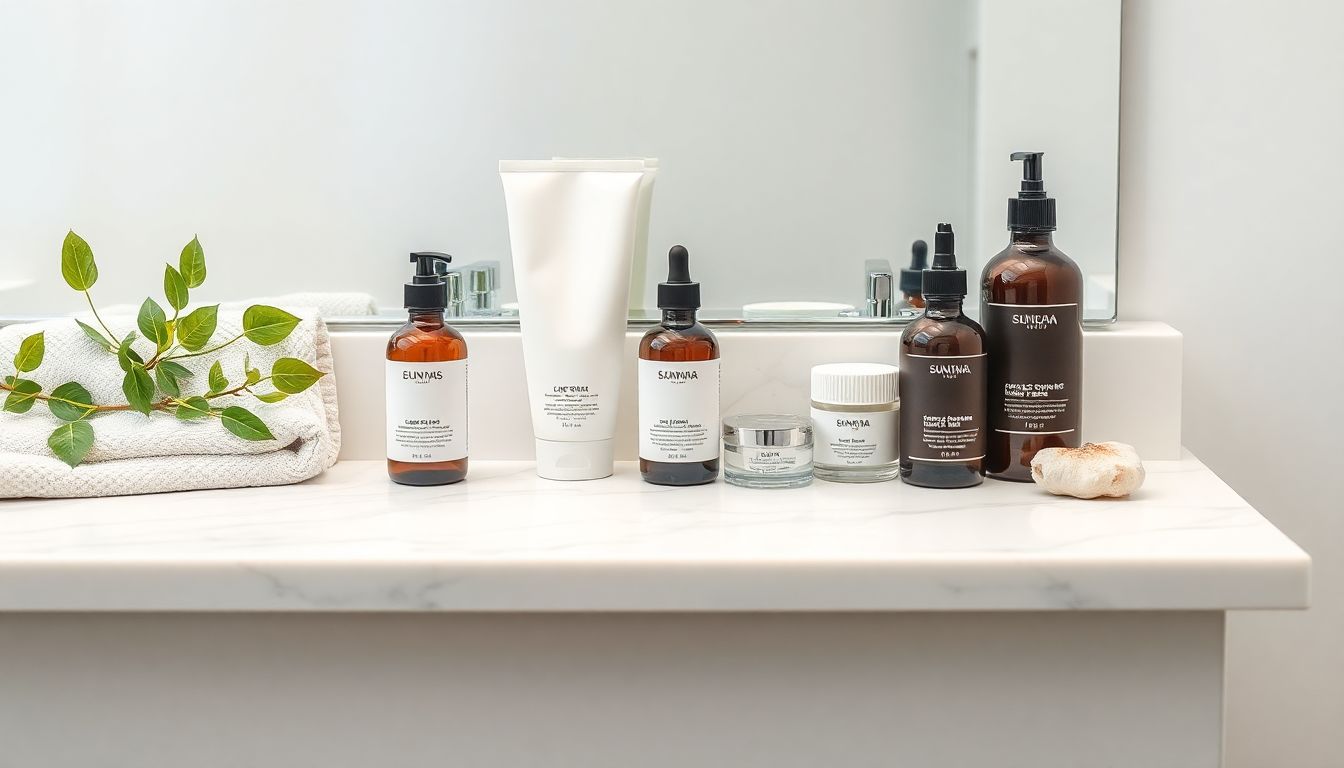
Here’s the sequence at a glance:
| Step | Product | What it does |
|---|---|---|
| 1–2 | Oil cleanser, then a low-pH water cleanser | Clears sebum, SPF, and grime without stripping |
| 3 | Gentle PHA or lactic acid | Smooths the surface a few nights a week |
| 4 | Hydrating toner, layered | Saturates the skin with water |
| 5 | Fermented essence | Adds amino acids and antioxidants |
| 6 | Niacinamide serum | Refines pores and evens tone |
| 7 | Gel-cream, then SPF by day | Seals everything in |
If the double cleanse that opens this routine is new to you, our step-by-step “Double Cleansing: Benefits for Every Skin Type” breaks it down.
Working through the routine
Start clean. Massage a cleansing oil or balm over dry skin to lift off makeup and sunscreen, emulsify with warm water, and rinse. Follow with a gentle water-based cleanser at a skin-friendly pH so you’re not stripping the barrier you’re about to hydrate.
A couple of nights a week, do a light chemical exfoliation. Glass can’t reflect a rough surface, but harsh scrubs and strong peels cause the kind of inflammation that ruins the effect. Polyhydroxy acids (PHAs) or lactic acid are gentler choices that dissolve the glue holding dead cells at the surface without digging deep enough to irritate.
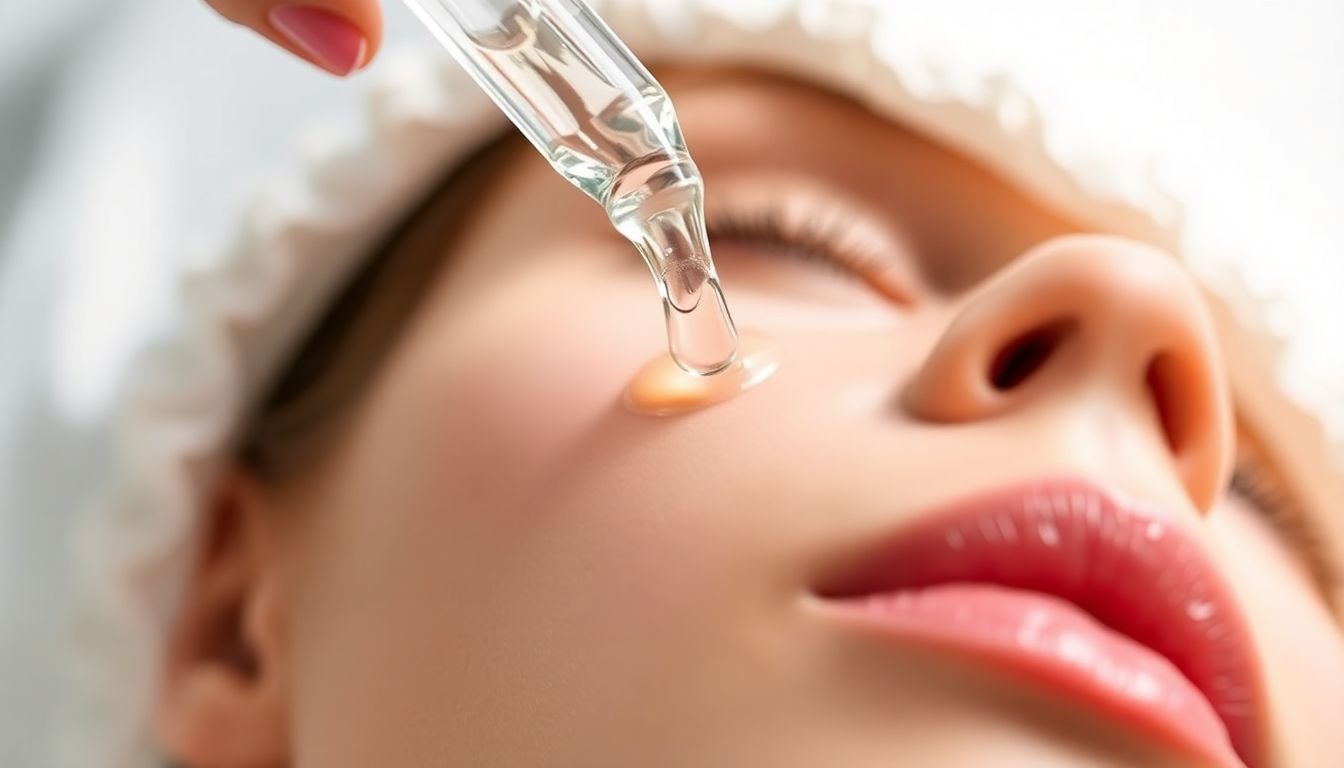
Then comes the step glass skin is known for: layering a hydrating toner. This is sometimes called the “7-skin method,” though the number isn’t sacred. Pour a little alcohol-free toner into your palms and press it into your skin, and while your face is still damp, repeat it three or four times. With each pass the skin looks visibly plumper as it drinks the water in. In dry weather you might do more layers; in humidity, fewer.
After that, an essence bridges the gap to your serums. Fermented ingredients like galactomyces or bifida ferment, and snail secretion filtrate, add lightweight peptides and hydration that give skin a bouncy, cushioned feel. Then a niacinamide serum, often paired with soothing centella, helps regulate oil, soften the look of pores, and even out tone.
Finally, seal it. All that layered water will simply evaporate if you leave it exposed, so finish with a light gel-cream rich in ceramides and squalane. During the day, a hydrating, dewy-finish sunscreen goes on top, both to protect and to add that final glow.
Things that get in the way
A few common problems have simple fixes. If skin looks greasy rather than dewy, you’re probably leaning on heavy oils instead of watery layers, so swap them for toners and a light gel-cream. If small bumps appear on your forehead, you may be over-layering or not rinsing your oil cleanser fully, so cut back the toner layers and emulsify more thoroughly. And if makeup slides off over your skincare, give each layer a minute to set and stick to lightweight, water-based bases rather than heavy silicone foundations.
Glass skin is less a single product than a habit of hydrating in thin, patient layers and protecting the result. Sleep, water, and a diet with some antioxidants all show up in how skin reflects light, so the routine works best when the rest of your life supports it rather than fights it.
To carry the glow into your makeup, our “The No-Makeup Makeup Routine: Fresh, Natural Beauty” and “Natural Glow Makeup Trends: Radiant Looks for Modern Women” guides both build on this base.
Frequently Asked Questions
Can oily or acne-prone skin achieve glass skin without looking greasy?
Yes, oily skin thrives under a glass skin regimen because the routine prioritizes water-based humectants (glycerin, hyaluronic acid, beta-glucan) rather than heavy pore-clogging oils. Dehydrated oily skin often overproduces sebum; saturating it with lightweight water hydration actually balances oil production.
What is the difference between glass skin and honey skin?
While both are beloved K-beauty ideals, ‘glass skin’ (yuri pibu) focuses on a smooth, poreless, translucent, and reflective glass finish through deep water hydration. ‘Honey skin’ (kkul pibu) emphasizes a richer, more supple, and glossy nourishment derived from honey and propolis.
How long does it take to see real glass skin results?
Immediate surface hydration and dewy radiance are visible after the very first multi-step routine. However, true glass skin—involving refined texture, balanced tone, and fortified barrier resilience—requires 3 to 4 weeks of consistent daily hydration and gentle exfoliation.
Do you really need to apply 7 layers of toner for the 7-Skin Method?
No, seven is simply the traditional maximum. For most skin types, patting 3 to 4 thin layers of an alcohol-free hydrating toner provides optimal saturation without product buildup or stickiness.
Additional Details
- Description: Achieve translucent, luminous glass skin with K-beauty hydration layering. Here is the exact 7-step routine, humectant ordering, and barrier protection tips.
- Published: 2026-09-07T00:00:00.000Z
Images
- (none listed)